Resurfacing Without an Open Wound
Nitrogen plasma delivers heat into the skin and leaves the treated layer in place while it heals, which is what separates it from an ablative laser.
Gas, Turned Into Energy
Nitrogen gas is converted into plasma, the ionized state of matter, and delivered to the skin in controlled pulses. The plasma transfers heat into the tissue in a uniform way, which stimulates collagen and elastin and drives renewal of the epidermis above it.
The part that sets it apart is what happens to your skin afterward. Ablative lasers remove the treated layer and leave an open wound that has to close before you can go anywhere. Plasma heats the tissue but leaves it in place, so the treated skin stays on as a natural dressing while new skin forms underneath and only then flakes away.
That changes the recovery from an open wound to a peeling one. It is not nothing, and nobody should tell you it is a lunchtime treatment, but it is a very different week from full ablative resurfacing.
The NeoGen Platform
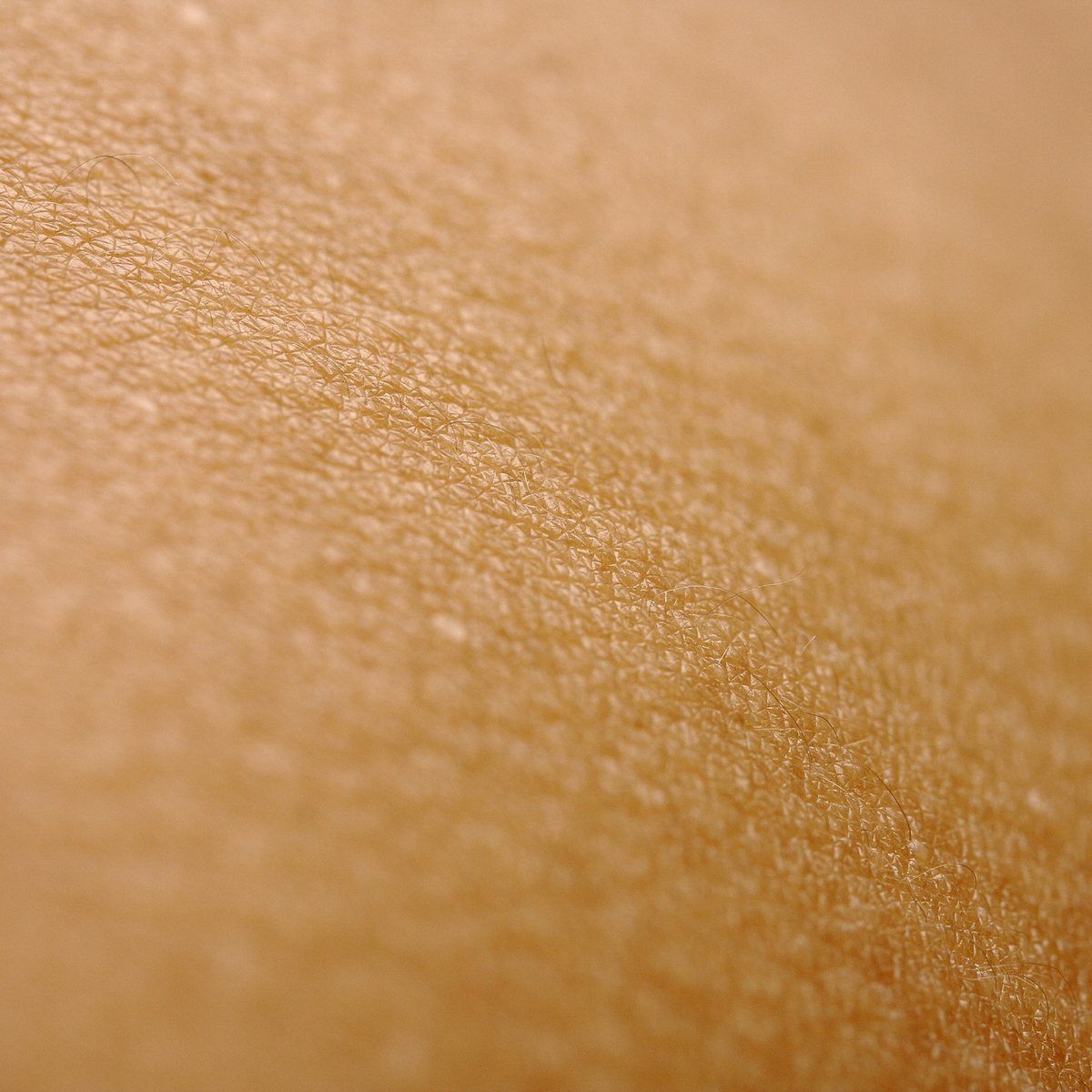
NeoGen PSR, meaning plasma skin regeneration, is the console we use. Energy and depth are adjustable, so the same device covers everything from a light regenerative pass to a single higher energy treatment aimed at a bigger change.
That range is the reason this is a planning conversation rather than a menu item. A gentler setting means less recovery and a result built across a series. A higher setting means a week you will need to plan for and a more significant change from one visit.
Which of those suits you depends on your skin, what you are trying to change and what your next two weeks look like. We decide it together before anything is booked, not on the day.
A Good Fit If Any of This Sounds Familiar
Active infection, recent isotretinoin and a history of keloid scarring all change the conversation. We go through your history before booking.
Four Steps, Start to Finish
We Set the Energy Level
Light and layered, or higher and once. This decides both your recovery and your result, so it is decided first.
Numbing
Topical anesthetic goes on and is given proper time. Higher energy settings need more preparation.
Treatment
Plasma pulses are delivered across the mapped area. Most people describe building heat.
The Peel
Treated skin stays on while new skin forms underneath, then flakes away on its own. Do not help it along.
The Old Skin Is the Dressing
Leaving the treated layer in place is not a detail. It is the whole reason recovery here looks nothing like ablative resurfacing.
A Week You Plan For
Why It Is Not a Laser
A laser works by being absorbed, which means the pigment in your skin is part of the equation. That is why ablative resurfacing carries real risk of pigment change in darker skin types and why patient selection for it is so careful.
Plasma delivers heat without that pigment dependent absorption, which changes the risk profile and widens who can reasonably be treated. It is not a free pass and it does not make the treatment risk free, but it is a meaningful difference and it is the reason plasma is sometimes the right answer where a laser is not.
The area around the eyes is the other practical difference. The thin skin there is where many resurfacing technologies become difficult, and plasma is used in that region with a good safety record. We will still assess you properly and tell you what the specific risks are for your skin rather than quoting a general one.
What People Ask Us First
No, and the shared word causes constant confusion. Platelet rich plasma is drawn from your blood and reinjected. This is nitrogen gas converted into plasma energy and delivered to the skin. Completely different treatments with completely different mechanisms.
A laser removes the treated layer and leaves an open wound. Plasma heats the tissue and leaves it in place as a natural dressing while new skin forms underneath. Recovery is peeling rather than raw, and because plasma is not absorbed by pigment the risk profile in darker skin is different.
It depends entirely on the energy level we choose, which is why we choose it with you. A light treatment is a few days of flaking. A higher energy treatment is about a week you will want to plan around. We will be specific once we have agreed the setting.
Yes, and this is one of the areas where it has an advantage. The thin skin there is difficult for many resurfacing technologies. We will assess the area and explain the specific risks before treating it.
That depends on the energy level. Lighter settings are usually done as a short series. A higher energy treatment may be a single session. We will tell you which route suits your skin and your calendar.
Often Considered Alongside This
Resurfacing on Better Terms.
Come in and we will tell you whether plasma is the right mechanism for your skin, and which energy level matches the result you want and the week you can give it.
