Real Surgery, Without General Anesthesia
Tumescent local anesthetic makes targeted fat removal possible while you stay awake and go home the same day.
Awake Is the Meaningful Part
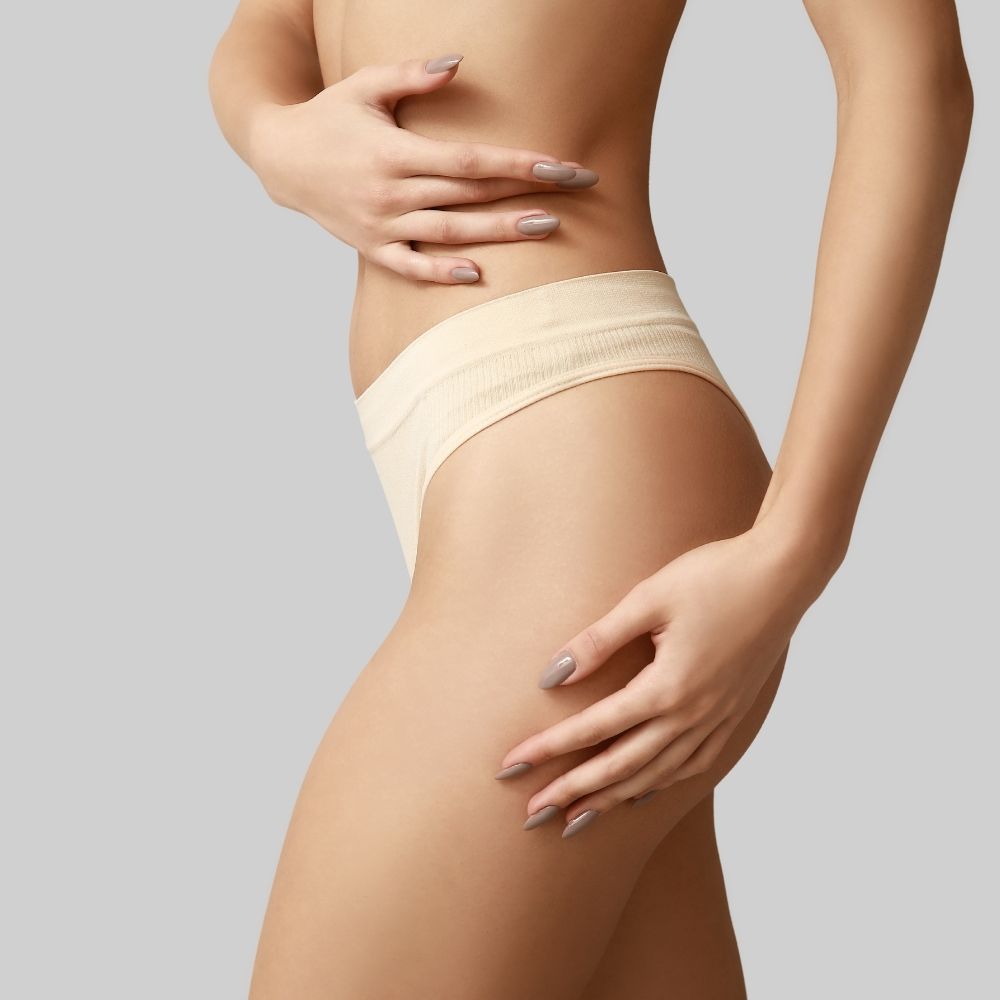
Awake liposuction uses tumescent anesthesia, where a large volume of dilute local anesthetic with adrenaline is infiltrated into the fat layer. That numbs the area thoroughly, constricts blood vessels to limit bleeding, and makes the tissue easier to work through.
Avoiding general anesthesia removes an entire category of risk, shortens recovery and means you go home the same day rather than being monitored after. For the right patient and the right sized area, that is a meaningful advantage rather than a marketing angle.
What has not changed is that this is surgery. It removes fat from specific areas that have not responded to diet and training. It is not a weight loss treatment, it does not address loose skin, and it will not correct a problem that is really about skin quality rather than fat volume.
A Good Fit If Any of This Sounds Familiar
If what is bothering you is loose skin rather than fat, this will not fix it and may make it more obvious.
Three Steps, Start to Finish
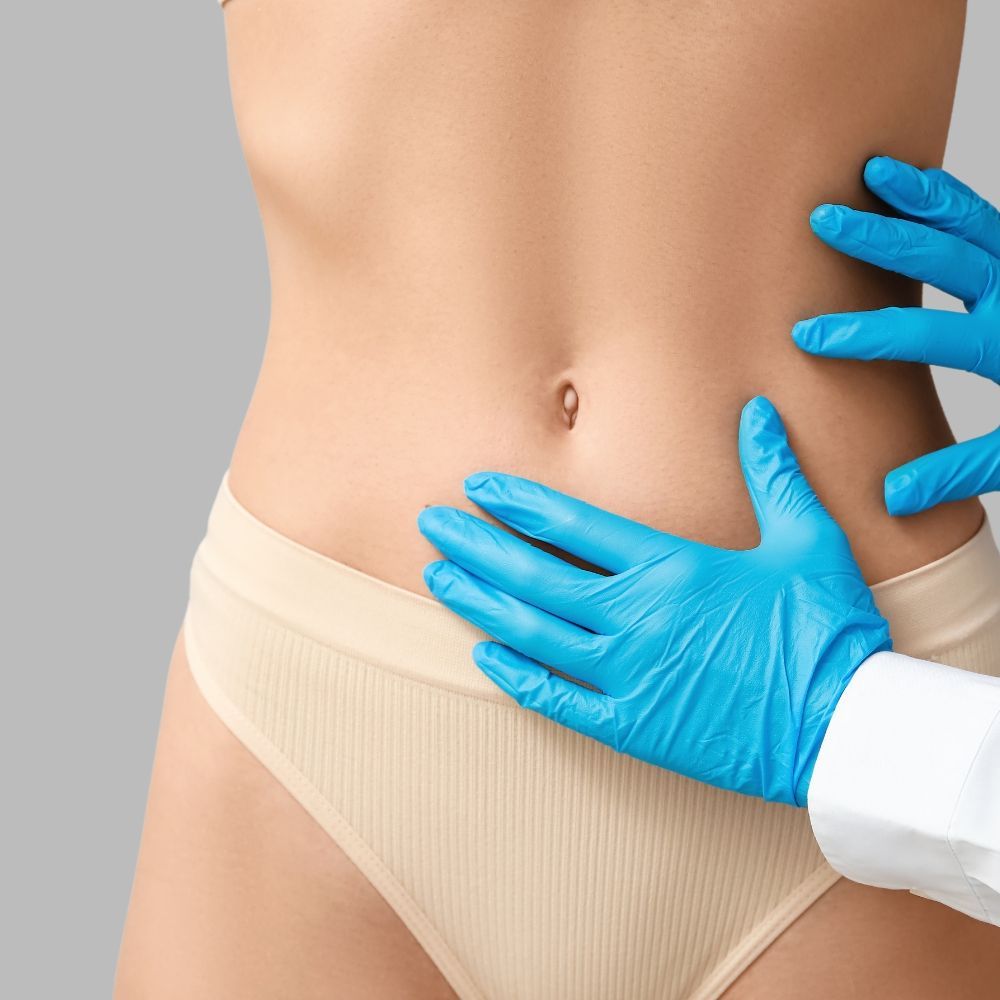
We Assess Fat Versus Skin
And whether your area suits an awake approach. Larger volumes may be better served differently, and we will say so.
Tumescent, Then Treated
The area is numbed thoroughly first. You are awake, comfortable and can talk throughout.
Compression and Follow Up
Compression garments for several weeks. This is not optional and it materially affects your result.
This Removes Fat. It Does Not Tighten Skin.
If skin quality is the real issue, taking fat out from underneath it makes the looseness more obvious rather than less.
Compression Does Half the Work
Why Tumescent Anesthesia Works
Tumescent technique infiltrates a large volume of very dilute lidocaine with adrenaline into the subcutaneous fat. The dilution allows a high total volume while keeping systemic absorption within safe limits, and the adrenaline constricts vessels, which substantially reduces bleeding and bruising compared with older approaches.
The fat cells removed are gone permanently. Remaining cells in the area can still enlarge with weight gain, so the result is durable rather than immune to what happens elsewhere in your body.
Skin retraction after fat removal depends on skin elasticity, age and how much was taken. Where elasticity is poor, removing fat can leave loose skin that looks worse than the original contour. Identifying that beforehand is central to the consultation. Risks include contour irregularity, prolonged swelling, fluid collections and asymmetry.
What People Ask Us First
Yes. The area is numbed thoroughly with tumescent anesthesia. Most people talk with us throughout and are surprised by how straightforward it feels.
No. It removes localised deposits in people who are already near a stable weight. It is a contouring procedure rather than a weight treatment.
The cells removed do not return. Remaining cells can enlarge with weight gain, so maintaining your weight preserves the result.
Several weeks, and wearing it properly genuinely affects your final contour. We will be specific about the schedule.
Then we discuss that honestly. Sometimes a skin tightening approach or an excisional procedure is the better answer, and sometimes fat removal alone will disappoint you.
Often Considered Alongside This
Find Out Whether It Is Fat or Skin.
The answer changes the recommendation completely, and it takes an examination rather than a photograph.
4211 N. Buffalo Road, Suite 15, Orchard Park, NY 14127
