
Take the Damaged Layer Off
Depth is the whole conversation. A peel chosen for your skin does what three gentle ones never will, and the wrong depth causes problems.
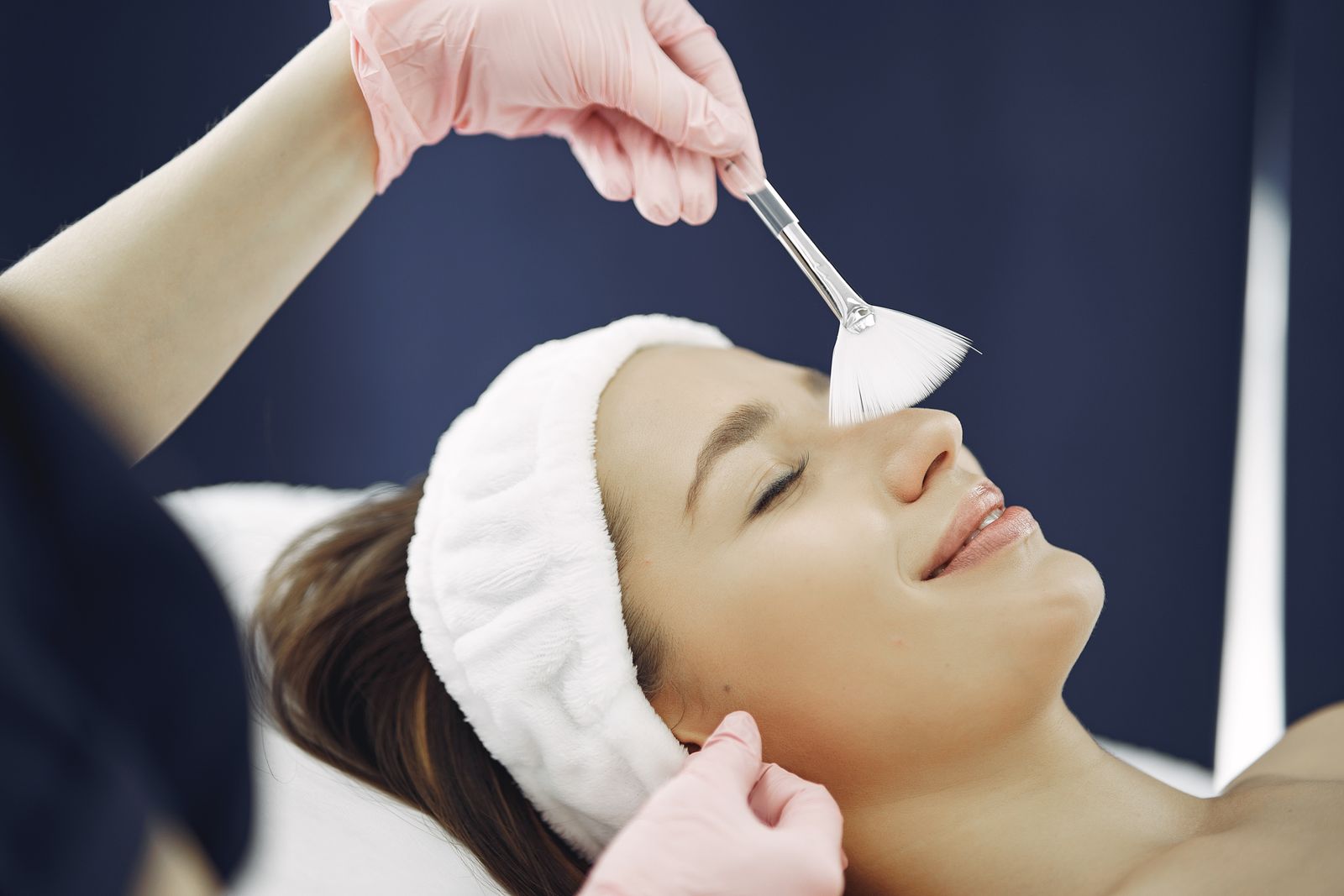
Superficial, Medium and Everything Between
A chemical peel applies an acid solution that dissolves the bonds between skin cells, allowing the damaged upper layers to shed and be replaced. How deep that goes depends entirely on the agent, the concentration, and how long it stays on your skin.
A superficial peel works within the outer layer and leaves you with a few days of flaking at most. A medium depth peel reaches into the upper dermis, does considerably more for pigment and texture, and asks for real recovery time in return. Neither is better. They are different tools.
Peels are one of the areas where being treated by a physician matters most. The decision about depth depends on your skin type, your pigment risk, what you are taking, how much sun you get and what you are actually trying to change. A peel chosen from a price list rather than from an assessment is how people end up with pigment problems that outlast the thing they came in for.
A Good Fit If Any of This Sounds Familiar
Some skin types carry a higher risk of pigment change after peeling. We will assess yours before recommending a depth.
Three Steps, Start to Finish
We Assess Your Pigment Risk
Skin type, history and current medications all change what is safe for you. This comes before any discussion of which peel.
We Choose the Depth
Then we explain exactly what recovery looks like at that depth, so you can plan around it rather than be surprised by it.
Aftercare Decides the Result
What you do for the following week matters as much as the peel. Sun protection is not optional here.
The Wrong Depth Costs More Than the Right One
Peeling too aggressively on the wrong skin causes pigment problems that take far longer to fix than the concern you arrived with.
Recovery Depends Entirely on Depth
Acids, Depth and Why Pigment Is the Risk
Peeling agents break the desmosomal bonds holding skin cells together. Alpha hydroxy acids like glycolic work at the surface and are water soluble. Beta hydroxy acids like salicylic are oil soluble and travel into the follicle, which is why they suit congestion. Stronger agents such as trichloroacetic acid reach further and are used for deeper resurfacing.
The predictable risk in any peel is post inflammatory hyperpigmentation, where the inflammation of healing triggers melanocytes to overproduce pigment. Risk rises with peel depth and with skin type, and it is why the same peel is a good idea for one person and a poor one for another.
That risk is managed rather than eliminated: appropriate depth, correct priming beforehand where it is indicated, and disciplined sun protection afterwards. We will walk through what applies to you specifically before any solution touches your skin.
What People Ask Us First
Not in the way people imagine. A superficial peel gives light flaking, similar to mild sun exposure. Medium depth peels involve visible sheeting for several days. We will tell you exactly which one to expect before you book.
That is what the consultation is for. Depth is chosen from your skin type, your pigment risk and what you are trying to change, not from a menu of names.
Often yes, with the right agent and depth. The risk of pigment change is higher, so the assessment matters more, and we may recommend priming your skin beforehand.
Leave real margin. Two weeks is a reasonable minimum for anything beyond a superficial peel, and we would rather move your appointment than have you peeling in photographs.
Yes, with sensible spacing. Stacking resurfacing treatments too close together is a good way to injure skin, so we will lay out a schedule rather than fit things in.
Often Considered Alongside This
Get Assessed Before You Get Peeled.
Depth is the whole decision, and it depends on facts about your skin that no price list can know.
4211 N. Buffalo Road, Suite 15, Orchard Park, NY 14127
