Brows That Grow, Not Brows That Are Drawn
Transplanted follicles are your own hair, they keep growing, and they need trimming. That is the trade off, and it is worth understanding before you book.
Permanent, and Therefore a Real Decision
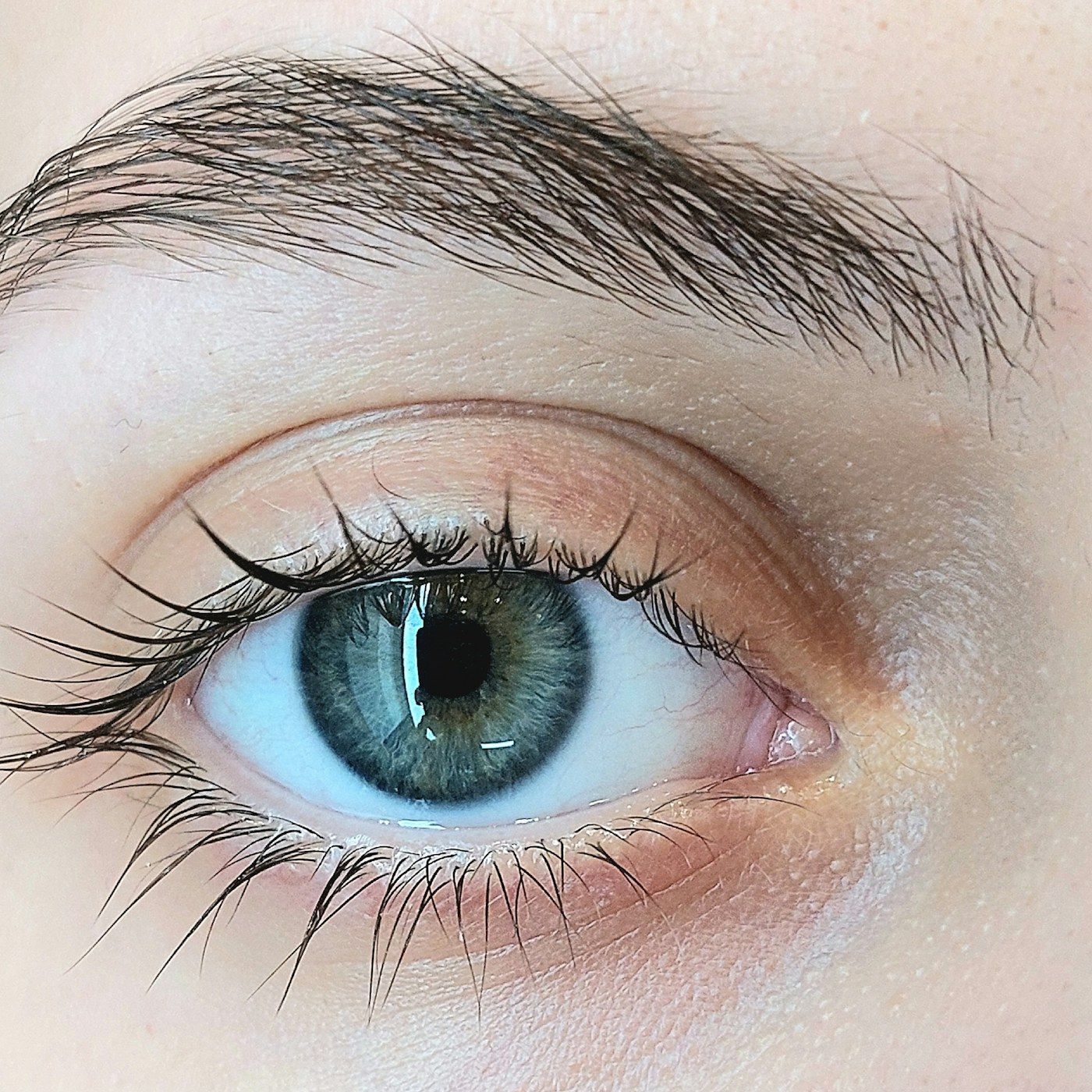
Eyebrow restoration moves your own follicles, usually taken from the back of the scalp, into the brow. Because they are your follicles, they survive, they behave like your hair, and they are there for good. That permanence is the appeal and it is also the reason this deserves a proper consultation.
The technical part is angle and direction. Brow hair grows at a very shallow angle and changes direction across the brow, sweeping up at the head and flattening toward the tail. Placing grafts at scalp angles produces a brow that looks wrong in a way people cannot name. Getting it right is the entire skill of the procedure.
The trade off is that scalp hair keeps its scalp growth habit. Transplanted brow hair grows longer than native brow hair and needs trimming, usually every couple of weeks, indefinitely. Plenty of people are entirely happy with that. You should know it before rather than after.
Consider This If Any of This Is True
If your brows are thinning because of a medical condition, that needs addressing first, and we will say so.
Three Steps, Start to Finish
Shape Designed With You
We design the brow before anything is taken, working to your face rather than to a trend. You approve the shape before we begin.
Follicles Taken and Placed
Grafts are harvested and placed individually, at brow angles and in brow directions. This is meticulous work and it takes hours, not minutes.
Grown Out and Reviewed
Growth follows a shedding phase and a long wait. We review at intervals rather than judging anything early.
Permanent Cuts Both Ways
A shape that suits you now will still be there in twenty years. That is exactly why we design carefully and conservatively.
Shedding First, Growth Later
Why Angle Is the Whole Job
Transplanted follicles survive because they retain their own characteristics, a property known as donor dominance. Hair taken from the permanent zone at the back of the scalp keeps growing according to its original programming, which is why it survives in the brow and why it also keeps growing to scalp length.
Brow hair emerges at a much flatter angle than scalp hair and its direction rotates across the brow. Each graft therefore has to be placed with its own angle and orientation. A brow that looks artificial almost always looks that way because the grafts stand too proud or point the wrong way, not because there are too many of them.
Risks include graft failure in a proportion of placements, infection, small scars at the donor site, and a result that needs a second session to reach the density you wanted. If your brow loss is driven by a medical condition such as a thyroid disorder or alopecia areata, that needs to be evaluated and stable before transplanting is sensible.
What People Ask Us First
Yes, which is both the appeal and the reason to take the design seriously. The follicles are yours and they stay. That is why we design conservatively and to your face rather than to whatever brow shape is fashionable.
Microblading is pigment placed in the skin. It fades and needs redoing. This is your own growing hair, permanently. Microblading is reversible over time and far less involved, and for some people it is the better choice.
Yes, usually every couple of weeks, indefinitely. Scalp hair keeps its scalp growth habit even in the brow. Most people find this a fair trade and you should decide that with your eyes open.
Longer than you would like. Transplanted hairs shed within the first weeks, regrowth starts around three to six months, and the brow is judged at about a year. That timeline is biology and it cannot be shortened.
Not if the angle, direction and density are right. Recognizable transplanted brows are recognizable because grafts stand up or point the wrong way. That is a technique problem, and it is the part we take longest over.
Often Considered Alongside This
Come and Design the Shape First.
The shape is the decision. Everything technical after that follows from getting it right.
4211 N. Buffalo Road, Suite 15, Orchard Park, NY 14127
